 EN
EN
It is difficult to decide on the right packaging material for food packaging. When buying, B2B decision makers consider cost, performance, sustainability and regulatory adherence. This discussion focuses on three types of materials: the old standby of plastic, paper and bagasse (sugarcane fiber). Each has certain advantages and disadvantages. Whether you are actually packaging hot soup, fresh salads, frozen meals or take-away containers, understanding the trade-offs can help you choose the right packaging for your product. Here's a detailed comparison.
Traditional Plastic: Versatile but Under Environmental Pressure
For decades, conventional plastics like PP (polypropylene), PET (polyethylene terephthalate) and PS (polystyrene) have served as the stalwart of the food packaging industry. They are very durable, waterproof and seal well. PP is heat resistant and can be put in the microwave. PET is clear, strong and highly utilized in cold food packages and beverage cups. PS offers rigid and cost effective yogurt cup and deli tray options.
It does have some environmental disadvantages, though. The majority of traditional plastics come from fossil fuels and potentially take hundreds of years to break down. Both PP and PET can be recycled, but the rates of recycling are low in many areas. In the era of strict adoption of single use plastic regulations and corporate sustainability commitments, it is becoming more and more risky for B2B brands to solely rely on conventional plastic. However, recycled PET (RPET) provides a transition – it cuts the use of virgin plastic, while at the same time providing many of the same performance advantages as that of traditional PET.
Paper: Renewable and Familiar, but with Limitations
Wood pulp is a renewable material used for paper packaging. Well known to consumers as “natural,” and many commercial facilities compost it. Paper makes a great option for foods that don't require moisture, like snack bags, sandwich bags, and pastries. It is also possible to either coat it with a thin film of PLA (bioplastic) or apply a dispersion coating to it based on water.
Wet, oily, and hot foods make the capabilities of paper apparent. Uncoated paper will absorb moisture readily and will lose integrity. Coated paper helps resolve some of these issues, but raises issues of coating recyclability or compostability. In addition, paper manufacturing consumes a lot of water and energy and buying from unsustainable forestry can cause problems of its own. Paper alone is not always sufficient for such applications as hot soup bowls, microwaveable trays, or saucy containers.
Bagasse: High Performance from Agricultural Waste
Bagasse is the fibrous material after the juice has been extracted from sugarcane. Instead of being burned — which creates air pollution — this agricultural waste is used by manufacturers to make durable, heat-resistant, and 100% compostable food packaging. Many of the limitations of traditional plastic and paper are overcome with bagasse and this is why it is becoming a popular choice among many B2B brands.
Bagasse is a useful resource in many ways including:
Excellent heat resistance: Bagasse containers can withstand microwave heating and can keep the hot food at a temperature of up to 100℃.
Oil and water resistance: Bagasse is naturally oil and water resistant, and does not need to be lined with plastic to withstand grease and water.
Compostability: Bagasse products can be composted in industrial composting facilities in 60-90 days.
Renewable raw material: Bagasse uses a waste product from the sugar industry, avoiding land use competition with food crops.
The primary concern is the cost; bagasse is usually costlier than normal paper or commodity plastic. Also, bagasse has a natural beige or light brown appearance (it cannot be made crystal clear like PET). If a brand cares about sustainable packaging and is ready to invest in high-quality packaging materials, then bagasse is a great option.
Making the Right Choice: Application - Driven Selection
There is no one best material for all applications. The following is a practical guide:
Hot, wet or oily foods, such as soups, curries, saucy noodles: bagasse or PLA lined paper bowls work well. Although conventional plastic (PP) is also available, it has its limits in terms of recyclability.
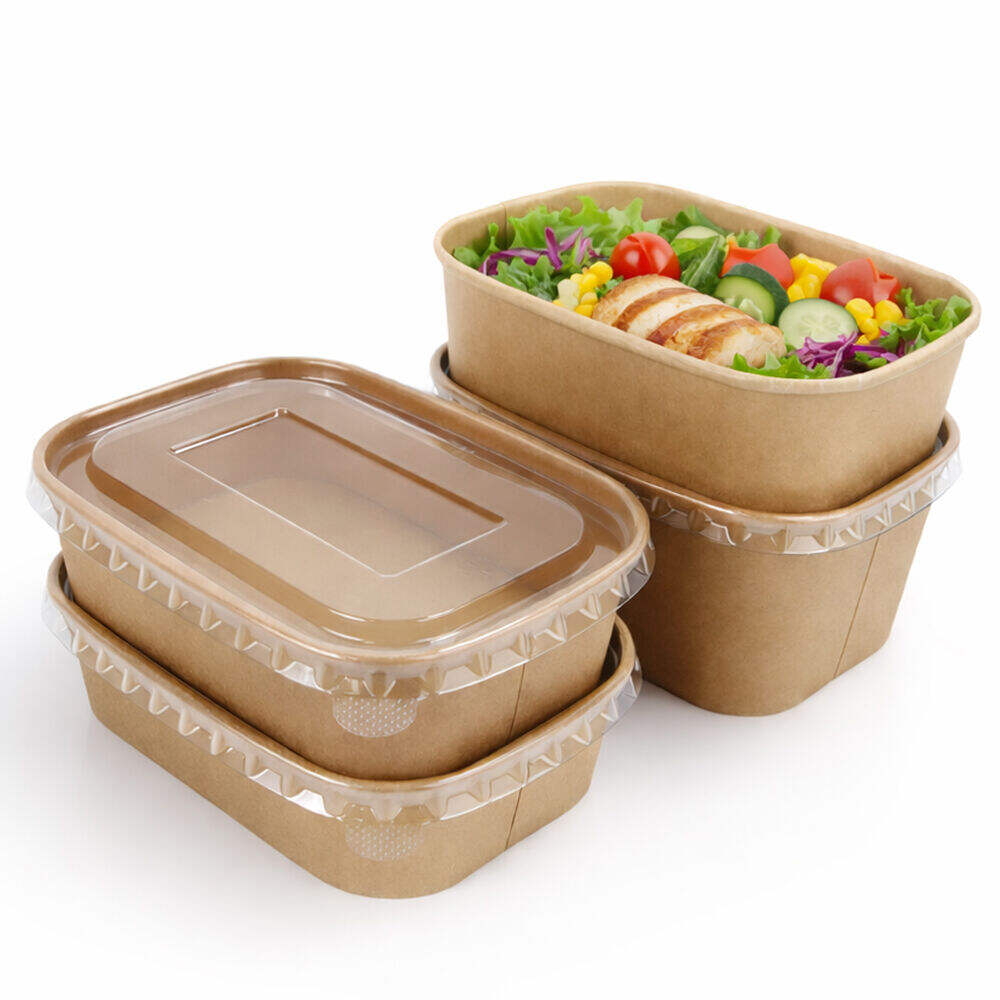
Cold, dry foods (salads, sandwiches, baked goods): Paper or bagasse are both good options. If product visibility is important, consider clear PET containers or recycled/bio based containers.
Frozen foods: PP and CPET (crystallized PET) fare good under cold conditions. Alternatively, bagasse can be frozen, but may be slightly more brittle.
Cutlery: PLA or CPLA (crystallized PLA) cutlery is an alternative to regular PS or PP cutlery that can be composted.
Xiamen Xiefa Vacuum Forming Packaging Co., Ltd. has been providing one stop customized packaging solutions since 2009. The company handles various materials such as PP, RPET/PET, bagasse, paper, cornstarch, PLA, PS and even packaging machinery. BSCI, BRC, HACCP, GRS and ISO 9001 certifications awarded by SGS ensure the strict control of the quality from raw materials to finished products, and there is also a strict after sales service system.. You can use paper, plastic or bagasse, Xiamen Xiefa can make the proper container for a food application.
Summary
Paper, plastic, or bagasse will be your choice based on the type of food, food handling conditions, sustainability considerations, and your budget. Paper is renewable but not resistant to water. While conventional plastic is great, it has regulatory and reputation problems. The bagasse can be used for high performance and compostability, but is expensive. For many B2B brand applications, a blend of materials is the best fit: bagasse for hot/wet applications, paper for dry goods and RPET for clarity. Contact Xiamen Xiefa about your needs and request samples for testing.