 EN
EN
The selection of fruit box material is a strategic choice for the growers, packers and exporters. Each material of cardboard, plastic and wood has its pros and cons when it comes to cost, durability, hygiene, sustainability and the performance of the supply chain. The wrong choice results in fruit damage, increased shipping expenses or rejection by the customer. Choosing the right one is ideal not only on the product side, but also in terms of profit margin. In this guide, you will learn about the three most popular fruit box materials and guide you to your decision.
Cardboard Boxes: Lightweight and Cost-Effective but Moisture-Sensitive
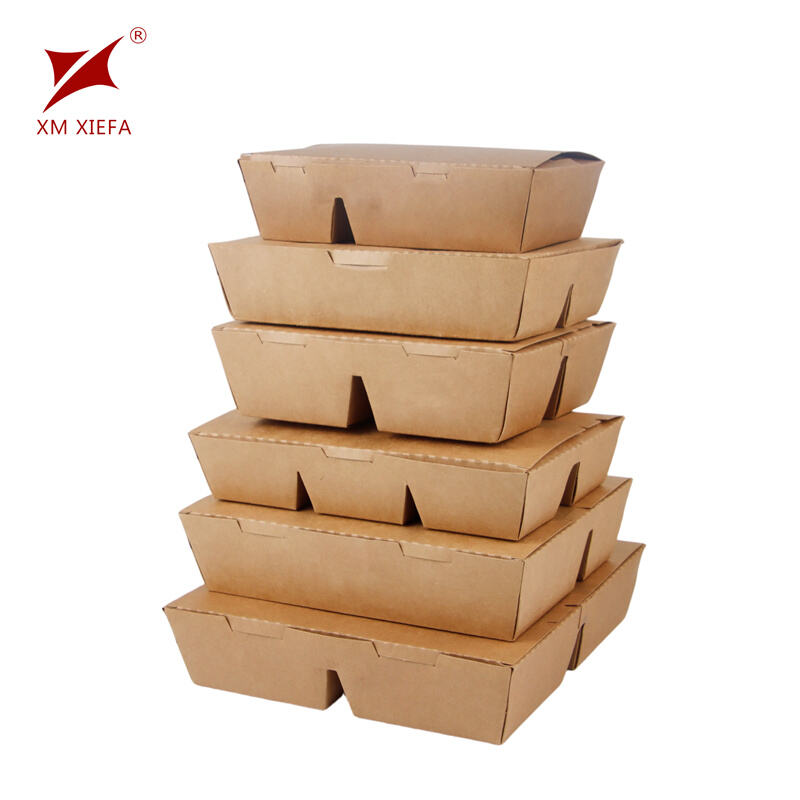
Cardboard (corrugated fiberboard) is used for most domestic and a large number of export fruit boxes. It's affordable and lightweight, and can be printed with very good graphics. Cardboard boxes fold up to store in a space before they are used.
Cardboard benefits include being the most cost effective per unit, light weight to limit shipping freight, easy branding and product information printing, and having good compression strength when dry. Where paper recycling facilities are available cardboard is also biodegradable and recyclable.
But there are also some drawbacks to cardboard. Not very moisture resistant and weak when wet or in high humidity. Under certain circumstances, cardboard may absorb odors or even taint fruit, it is seldom reused more than once, it can be vulnerable to insect infestation during extended storage. Additional wax coatings or plastic liners are needed for cardboard to be used in ocean-going and humid cold chain exports, which limit its recyclability.
Cardboard is suitable for short chains, dry markets and lower value fruits. A printed cardboard box and clear plastic window are a good and economical solution for retail-ready presentation of delicate berries in a dry domestic market.
Plastic Boxes: Durable, Reusable, and Crystal Clear
Plastic fruit boxes, especially made of PET, PP or RPET (recycled PET) are becoming popular in domestic and export markets. Plastic is moisture, humidity and handling resistant as opposed to cardboard. Clear plastic boxes also provide the customers with visibility of the product, which is one of the most important benefits when the product is displayed in stores where customers want to see the fruit before purchasing.
Plastic boxes have a lot of advantages. They have good moisture and humidity resistance, high durability and impact resistance, good reusability, and can be used many times, and it can be transparent or translucent, which can show the fruit without opening the package. Smooth and non-porous surface that resists bacteria growth and easy to clean. Importantly, RPET versions are made with recycled content, which resonates with buyers and retailers who want to buy products with sustainability requirements.
However, plastic boxes are more expensive than cardboard, heavier (which means heavier shipping weight), and not biodegradable but they can be recycled. A good design of the ventilation system is essential to avoid condensation inside the box that can promote mold growth.
Plastic boxes are suitable for high value fruits (berries, cherries, grapes), for wet/humid chain supply and for reusable pooling systems where the boxes are returned and washed to be refilled. The material is also sustainable to European and North American retailers, which are increasingly requesting recycled content, for exporters who rely on RPET.
Wooden Crates: Traditional Strength for Bulk Transport
Fruit transport has been done using wooden crates for centuries. Strong, stackable and good protection for heavy, hard fruits like oranges, apples and pears. Retail ready cases are usually constructed of plastic or cardboard. Bulk shipments are usually done in wooden crates, not for retail ready display.
Wooden crates have many benefits such as extremely high structural strength, can be easily stacked with high load capacity, can be processed with low energy consumption when sustainably sourced, can be repaired many times, and have good natural ventilation (slatted design), and are biodegradable (wood can be chipped to be used for mulch or animal bedding).
But wooden crates do have some drawbacks. They are also quite weighty and increase shipping costs. Fruits may bruise against rough surfaces. Mold, insects or splinters can be present in wood. Wooden crates are not good for retail display, fruit needs to be repacked at the destination. Also, the use of wooden crates is subject to treatment (heat or fumigation) to comply with phytosanitary measures to comply with ISPM 15, for international export which would entail additional costs and paperwork.
In terms of shipping large quantities of hard fruits such as apples, pears and citrus at a cost effective rate the wooden crate, especially when considering the crate pooling arrangements is suitable for transportation. For high-value retail presentation, wooden crates do not seem suitable.
How to Choose the Right Material for Your Application
There is no one single material that suits all fruits or all supply chains. You will need to consider your own priorities when making the decision.
If you're only about the lowest initial expense, and you're serving a dry, domestic supply chain, then cardboard is the cheapest. Be aware, however, that there may be moisture-related failures if it becomes humid.
Plastic boxes, especially RPET, are the best option where moisture and humidity resistance, multiple reusables, and clear retail presentation are required to allow customers to see the fruit. Offsetting this increased initial cost is the box's increased box life, the significant reduction in fruit damage, and meeting retailer demand for environmentally friendly packaging.
When wholesalers receive substantial quantities of firm fruits, when the crates are highly reusable and known to be strong, then the wooden box can be utilized. You should, of course, ensure that you meet any export treatments specified under ISPM 15.
RPET (recycled PET) plastic boxes are rapidly emerging as a good all-round choice for exporter where balance is needed between fruit durability, moisture retention, a sustainable message, and shelf-appeal for the consumer. It's the ideal packaging during lengthy sea freight, is food safety certified internationally and meet the retailers requirements for recycled material without sacrifice of either strength or transparency.
Conclusion
Cardboard boxes are the cheapest and lightweight option. They don't hold well under humid environments. Plastic boxes (PET, PP, RPET) are more expensive but can endure humid environments and have long life and clarity. Wooden crates are strong and conventional. They are heavy and not ready for retail. Your decision of material must be base on your fruit variety, environment of supply chain and requirements of market. Xiamen Xiefa Vacuum Forming Packaging Co., Ltd is established in 2009 and producing top quality fruit boxes with various PP, RPET/PET, PLA, PS and other materials. You can design your own molds, have ventilated design, and printing according to your demand. Xiamen Xiefa is certified with ISO 9001, BSCI, BRC, HACCP, GRS by SGS, and offers you one stop OEM & ODM solution. You are welcome to contact us now to talk about your material need of fruit boxes and have samples.