 EN
EN
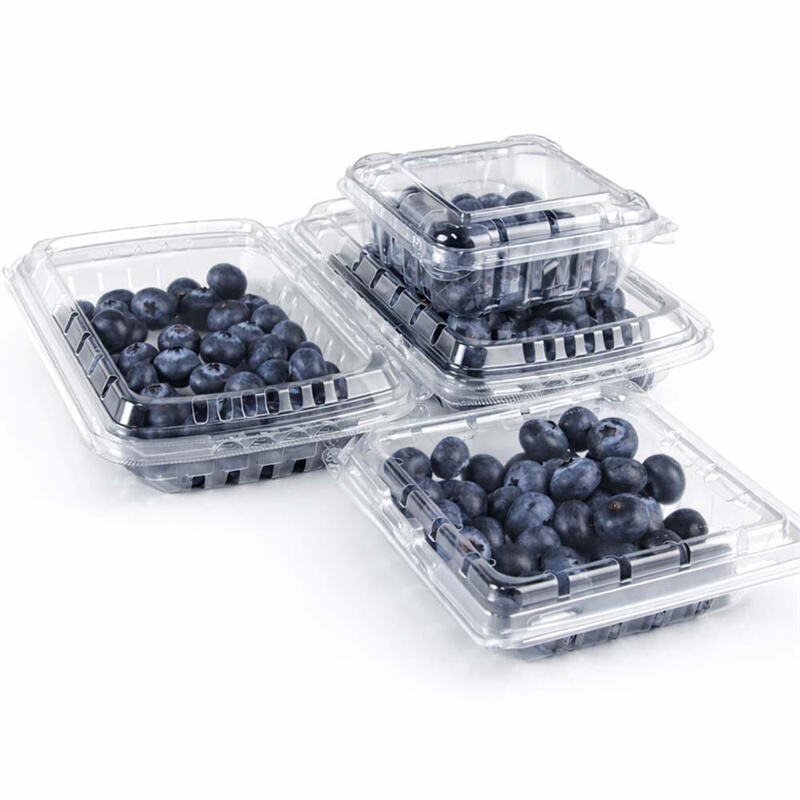
The terms biodegradable and compostable are often used in context of sustainable food packaging, as is the need for sustainable packaging in general. Though these terms are similar, they have very different meanings. The wrong term or, even worse, the wrong material, can result in regulatory problems, customer complaints, and environmental concerns. It is actually critical to know the difference if you are a B2B buyer looking for packaging for food service, retail or distribution. In this guide, you are actually going to learn important differences and how to choose right solution for your application.
Defining Biodegradable vs Compostable: The Critical Difference
Biodegradable can indeed mean that a material is decomposed to natural products such as water, carbon dioxide, and biomass by micro-organisms.. Degradation rates vary depending on the material and environment, ranging from a number of months to a number of years and even decades.. The decomposition of certain biodegradable plastics requires the use of industrial processes to achieve a satisfactory rate of degradation. Some people leave behind toxic residue, others micro plastics.
Compostable is a more stringent criterion. Products which are labelled compostable must:
Break down within a certain period of time (usually 90-180 days)
Break down in a composting environment, as indicated above (industrial or home composting).
Clean up any chemicals leaving no toxic residue.
Collect and use compost that can be used to grow plants.
Compostable products are always biodegradable while biodegradable products are not always compostable. The difference is significant for B2B brands since there are more and more certification schemes and regulations which call for compostable certifications and not just biodegradability.
Certifications and Standards to Look For
Any claims that can be made on biodegradable or compostable are meaningless or even misleading when not certified. Responsible B2B buyers must ask for proof from an approved certification body.
Key certifications include:
The OK compost INDUSTRIAL and OK compost HOME (TÜV Austria)
EN 13432 European standard for industrial compostability)
ASTM D6400 (American Standard of Testing for compostable plastics), which is the U.S. standard.
BPI (Biodegradable Products Institute, USA)
Seedling logo (European compostable certification)
GRS is used to verify recycled content and is known as Global Recycled Standard.
It has been certified by SGS for ISO 9001, BSCI, BRC, HACCP, GRS and other certifications. The company is able to make compostable packaging from materials PLA, CPLA and PBAT, PBS and cornstarch materials which can be certified to EN 13432 or ASTM D6400, depending on formulation. Don't assume any certifications for products SKU, always ask your supplier about each one.
Material Options: Which Materials Fit Which Category?
Materials can be classified in different categories of sustainability. Let's look at examples:
Compostable materials (industrial):
PLA (polylactic acid) – compostable in industrial facilities, from corn starch or sugarcane.
CPLA (crystallized PLA) Heat resistant version of PLA, also industrially compostable.
PBAT and PBS – Biodegradable polyesters are generally used to make product more flexible, they are often blended with PLA.
Cornstarch – used for making films, bags as well as some rigid containers.
Bagasse – sugarcane fiber, naturally compostable (thin, industrial or home)..
Paper – If it has not been coated with conventional plastic, it can be composted in industry, otherwise it is a paper coated with PLA.
Biodegradable but not necessarily compostable:
Conventional plastics have oxo-degradable additives – These can actually be misleading and break down into microplastics, banned in some areas. Avoid them.
RPET (recycled PET) – Can actually be recycled but not biodegradable or compostable.
Conventional plastics, PP and PS – These do not degrade in any practical sense of the word and take hundreds of years to break down.
If packaging will be composted (such as in a stadium, corporate cafeteria or municipality that has a composting system), select certified compostable packaging. If there is an existing recycling system in place, then other recycling options such as RPET can be considered.
Real - World Applications: Which One Should You Choose?
This will depend on your end customer's waste management system, and your sustainability objectives.
Consider compostable packaging when:
You sell your products in areas where industrial composting facilities exist (such as some European countries, some areas of the United States and advanced cities in Asia).
End customer is a closed loop venue (corporate campus, stadium, university) with separate collection of compostable waste products.
Cautious about environmental claims, and want them to be third party verified with certification logos.
Choose recyclable packaging (e.g., RPET, PP) when:
You've got good recycling facilities in your target market.
Products have long shelf lives and require clarity and high barrier properties.
Symbols for recycling are more desirable than claims for composting by your customers.
Avoid vague “biodegradable” claims. If a claim is not certified, it is likely worthless. They cause greenwashing potential and can be in breach of advertising standards in the EU, USA and other markets.
Summary
Biodegradable is NOT compostable and compostable is NOT biodegradable. Compostable packaging should adhere to a specific set of time, safety and quality requirements, and be certified by independent testing like EN 13432 or ASTM D6400. Claims that are not certified are likely to be worth nothing or misleading. Founded in 2009, Xiamen Xiefa Vacuum Forming Packaging Co., Ltd. offers one-stop customized packaging solution in both recyclable plastic materials (PP,RPET/PET,PS) and certified compostable material (PLA, CPLA, PBAT, PBS, cornstarch, bagasse, paper). First, SGS has issued the certification, second, strict quality management system from raw materials to finished products, Xiamen Xiefa is helping B2B brands to deal with a complicated world of sustainable packaging.. Call them now to ask for certification papers and samples of materials used in the process of your application.