 EN
EN
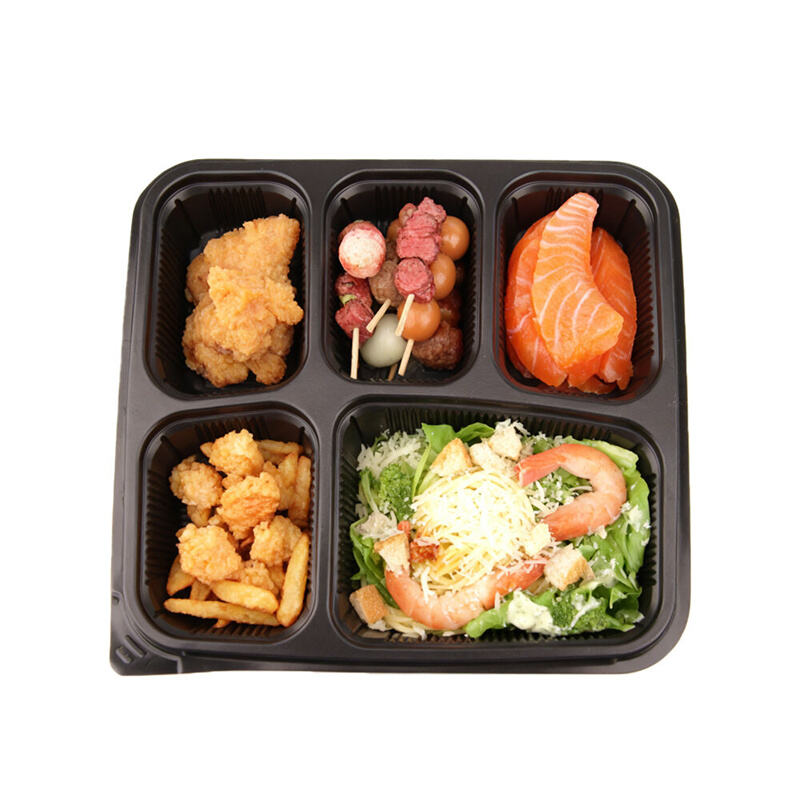
Sustainability is no longer a “specialty” marketing component. It's become an essential expectation for consumers, retailers and regulators. Packaging is the most tangible aspect of an environmental commitment for the food brand. While a product can be ‘organic', ‘local' and ‘fairly traded', if it comes in non-recyclable foam or too much plastic, the sustainability message is contradicted. Food packaging can either be a direct force in the development of a sustainable brand or a force to be reckoned with if it is not. Here is how.
Packaging as the First Tangible Proof of Environmental Claims
Brands can make sustainability reports, website pledges but the consumer sees the packaging first. Material, weight, printing and recyclability symbols are always visible to a customer when they pick up a lunch box or takeaway container. The first impression makes all the other sustainability claims stronger or weaker.
Clearly recyclable packaging (resin codes and recycling instructions) or packaging with recycled content (GRS or similar certificates) or certified compostable (EN 13432 or ASTM D6400) are tangible proof of packaging that is recyclable. The consumer doesn't need to believe in a commitment made by the producer they can see and feel the sustainable choice.
A clear RPET (recycled PET) clamshell, for instance, with a small logo and a “made from recycled plastic” message is more effective in conveying the message of sustainability than a conventional PET container bearing a green leaf print. The content in and of itself is the message.
Material Selection Defines Your Sustainability Narrative
There are various stories behind sustainable materials. The material you select influences your brand's image of its environmental concerns.
RPET (recycled PET) is a tale of a circular economy – plastic waste is gathered, processed and made into new food packaging. This resonates with customers who are interested in recycling facilities and waste minimization.
PLA (polylactic acid, derived from cornstarch) has a story to tell in the world of bio based and compostable. It is attractive to customers who don't want to use any kind of fossil fuel at all, as long as there is industrial composting.
Bagasse is a waste to resource story (sugarcane fiber). It's genuine and innovative, since it's a material derived from agricultural waste that would otherwise be burned. It is beige in color and has a fiber texture, which provide a visual indication of “compostable”, without the need of large printed claims.
Paper tells a renewable forestry narrative. Paper packaging offers reassuring natural materials, especially when sourced from certified sustainable forests, and coated with water based or PLA materials.
When the material aligns with the sustainability message that your brand is conveying, there is coherence. Bagasse or PLA could be options for a brand with a zero waste focus. RPET may be considered by a brand that is dedicated to Circular economy. Confusing messages and loss of consumer trust are created when messages are mixed.
Certifications and Transparency Build Credibility
A sustainable claim without certification is not a fact, it's a claim. Consumers are getting wise to "greenwashing". Buyers are savvy enough to know that adding an eco friendly tag or a leaf icon to a package doesn't necessarily mean it is.
Independent verification through recognized certifications. Buyers are assured that there is a definite percentage of recycled content in packaging when it is marked with GRS (Global Recycled Standard) certification and the entire packaging supply chain has been audited. Wasted food as a result of packaging failure is an environmental problem and BRC and HACCP certifications guarantee food safety, a component of sustainability.
Xiamen Xiefa Vacuum Forming Packaging Co., Ltd. has been certified with ISO 9001, BSCI, BRC, HACCP, GRS and other certifications from SGS. These certifications can be provided to the retail orders or used in the packaging or websites for the food brand that adopts Xiamen Xiefa's packaging. Third party certification translates a claim into a proven fact, making it a lot more credible.
Reducing Packaging Weight and Volume Without Compromising Function
One of the most effective, but least visible, sustainable branding strategies is source reduction; using less material to do the same job. Instead, a lighter, thinner lunch box that is still strong and leak-proof requires less resources, is less expensive to move and creates less waste.
The advanced processing equipment enables manufacturers to make sturdier, harder container walls with thinner walls than they could ten years ago. Xiamen Xiefa's perfect processing technology for PP, PLA, PET and other materials ensures the highest quality of products and the fastest production rate with the least possible wall thickness where safe to do so.
However, the source reduction branding is more difficult for the consumer to see than a certification logo. But for restaurant chains, catering companies and food manufacturers, the key B2B buyers, they are a tangible sustainability success and can be included in their corporate ESG (environmental, social, governance) reporting. It also decreases the shipping weight, thereby lowering the carbon emissions from transport.
Summary
From a sustainable branding perspective, food packaging is a key element to reinforce the brand's sustainability message in materials chosen, to give substance to brand sustainability claims, convey brand credibility through recognized certifications, and minimize the consumption of resources through source reduction. Founded in 2009, Xiamen Xiefa Vacuum Forming Packaging Co., Ltd. provides one-stop OEM and ODM solutions for sustainable food packaging with PP, RPET/PET, bagasse, paper, cornstarch, PLA, PS and more other materials, and has been certified by SGS. Contact them today to explore how their products and certifications can enhance your brand's sustainability narrative.